
Last updated September 20, 2026
Free on-site gate assessment - hinges, posts, and your LiftMaster or Nice gate operator checked before anything is quoted
The assessment is free and the quote is the invoice.

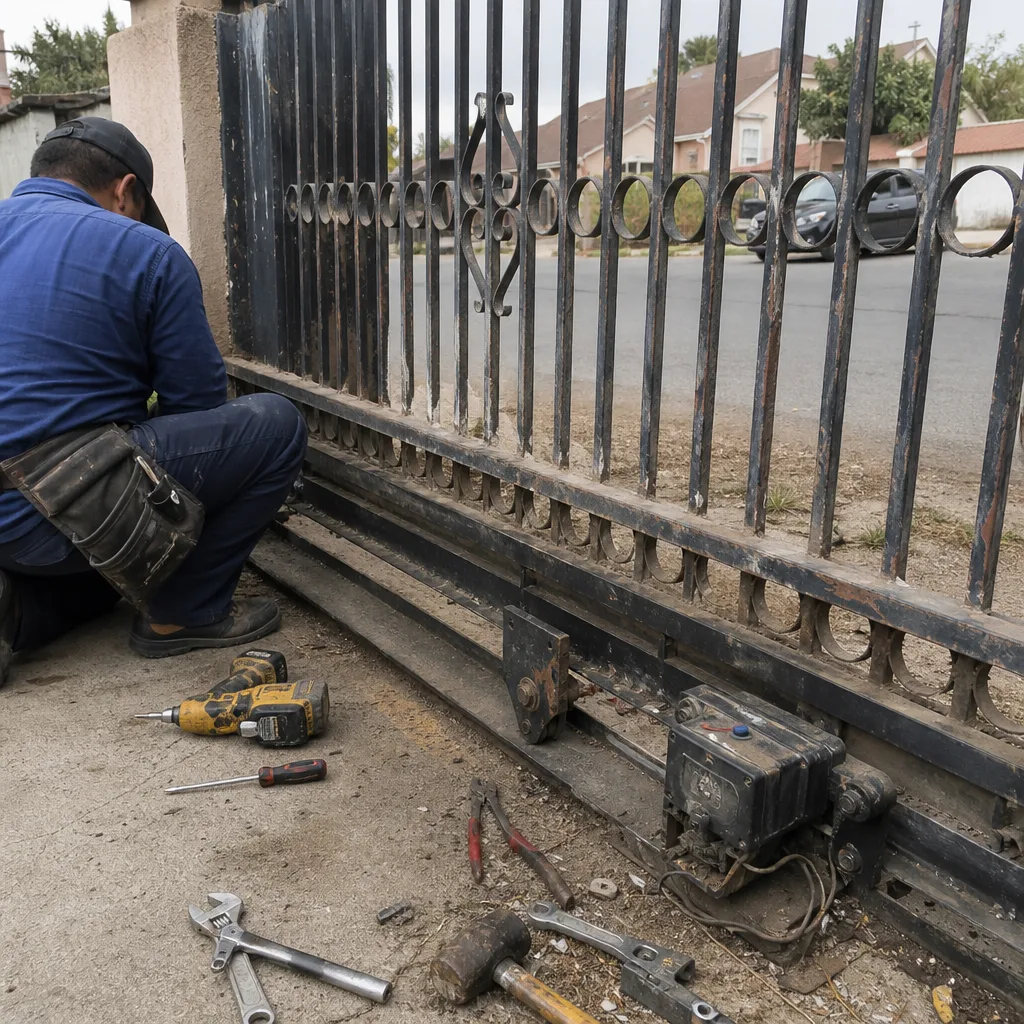 Before
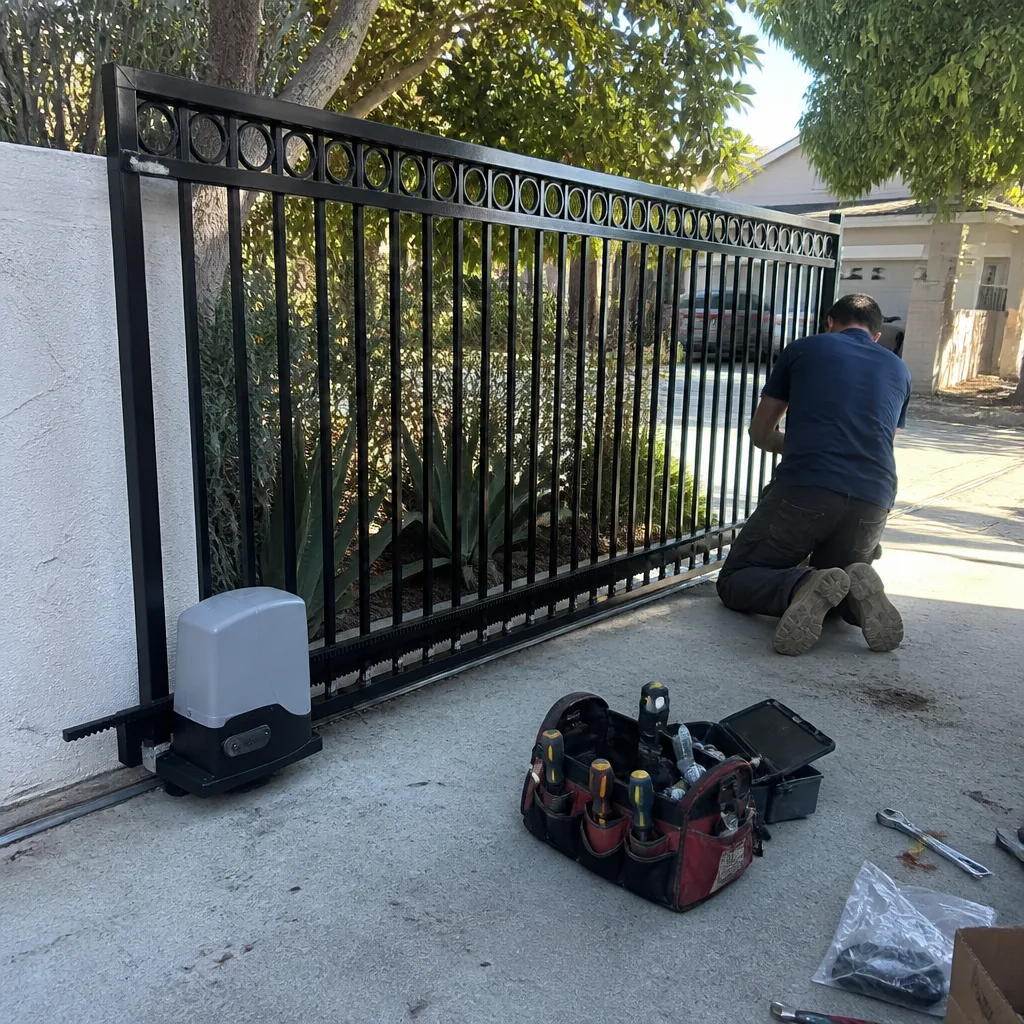 After
AfterGate Repair Permits, Codes & Inspections in CA: What You Need to Know
Replacing a gate operator in California is not always a simple swap. If the new unit changes the entrapment-protection classification, you’ve triggered a UL 325 compliance review whether your installer mentioned it or not. That distinction, between what the state calls “maintenance” and what it calls an “alteration,” is where most gate-related permitting problems begin. This guide walks through the actual code language, the inspection process, the HOA overlay that applies across much of San Fernando, and the insurance exposure that sits on your side of the property line when work goes unpermitted.
Quick Answer
Most like-for-like gate repairs in California, such as replacing a hinge, a wheel, a keypad, or a circuit board with the same part, do not require a building permit. A permit is generally required when you replace a gate operator with a different model that changes its entrapment-protection classification under UL 325, when you modify the gate’s structural posts or footings, or when you install a new gate or operator where none existed before. In San Fernando, the enforcing agency is the Los Angeles Department of Building and Safety (LADBS), and work done without a required permit can void homeowner’s insurance coverage on any gate-related injury or property claim.
Table of Contents
- The Permit Line: Maintenance vs. Alteration Under California Code
- UL 325 and Why an Operator Swap Can Trigger a Compliance Review
- What an Inspector Actually Checks on a Permitted Gate Installation
- The HOA Overlay: When Architectural Approval Runs Parallel to a City Permit
- Insurance Exposure: Why Unpermitted Operator Replacement Liability Transfers to You
- What Permitting Costs in the San Fernando Area
- Step-by-Step: How to Pull a Gate Permit in San Fernando
- Common Mistakes to Avoid
- When to Call a Professional
- Frequently Asked Questions
- The Bottom Line
BeforeAfterThe Permit Line: Maintenance vs. Alteration Under California Code
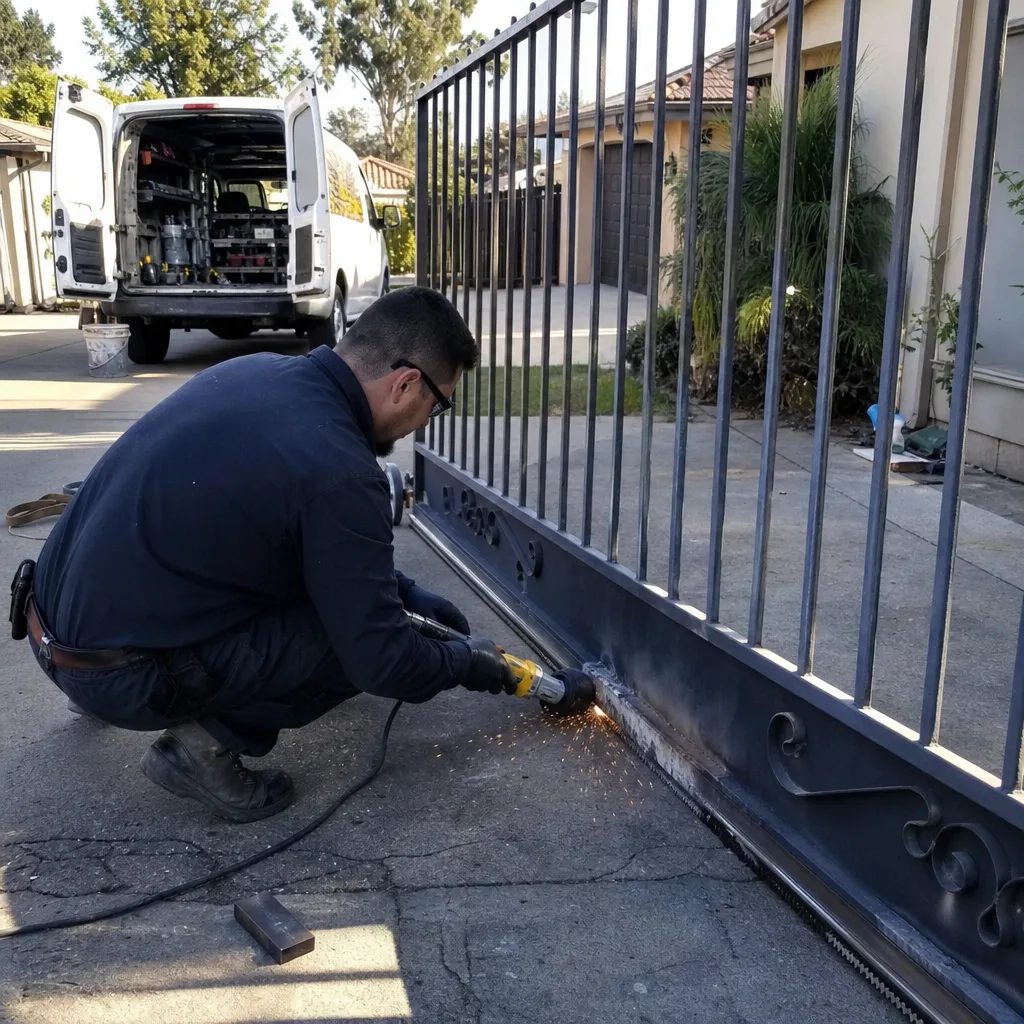
California Building Code (CBC) Section 105.2 lists work exempt from permit requirements. The operative language in the 2022 California Building Code, Section 105.2, reads: “Exemptions from permit requirements of this code shall not be deemed to grant authorization for any work to be done in any manner in violation of the provisions of this code or any other laws or ordinances.” That sentence matters more than most people realize. An exemption from pulling a permit is not an exemption from building correctly.
The practical line runs like this. Replacing a hinge, a wheel, a track roller, a keypad, a photo-eye, a circuit board, or a battery with the same part is repair, not alteration. CBC Section 105.2 does not require a permit for “repairs” that do not change the structure, the electrical configuration, or the UL 325 entrapment-protection classification of the operator. In San Fernando, that means when we swap a failed Mighty Mule control board for the same board, no one at LADBS needs to know about it. When we change a gate motor from one model of LiftMaster to a different LiftMaster with a different horsepower rating and a different entrapment-sensor architecture, the work is an alteration, and Section 105.1 says alterations require a permit.
The state code phrase that matters most for gate work is “like-for-like.” Like-for-like means same electrical load, same mounting footprint, same entrapment-protection class, same wiring configuration. Change any of those four, and the job moves from maintenance to alteration in the eyes of the code. We apply the same test on every job in San Fernando, because the answer determines whether the homeowner needs to budget for plan review fees, an inspection appointment, and the two to six weeks that process can add to a project timeline. For a deeper look at what qualifies as a repair, see Gate Repair in San Fernando.
UL 325 and Why an Operator Swap Can Trigger a Compliance Review
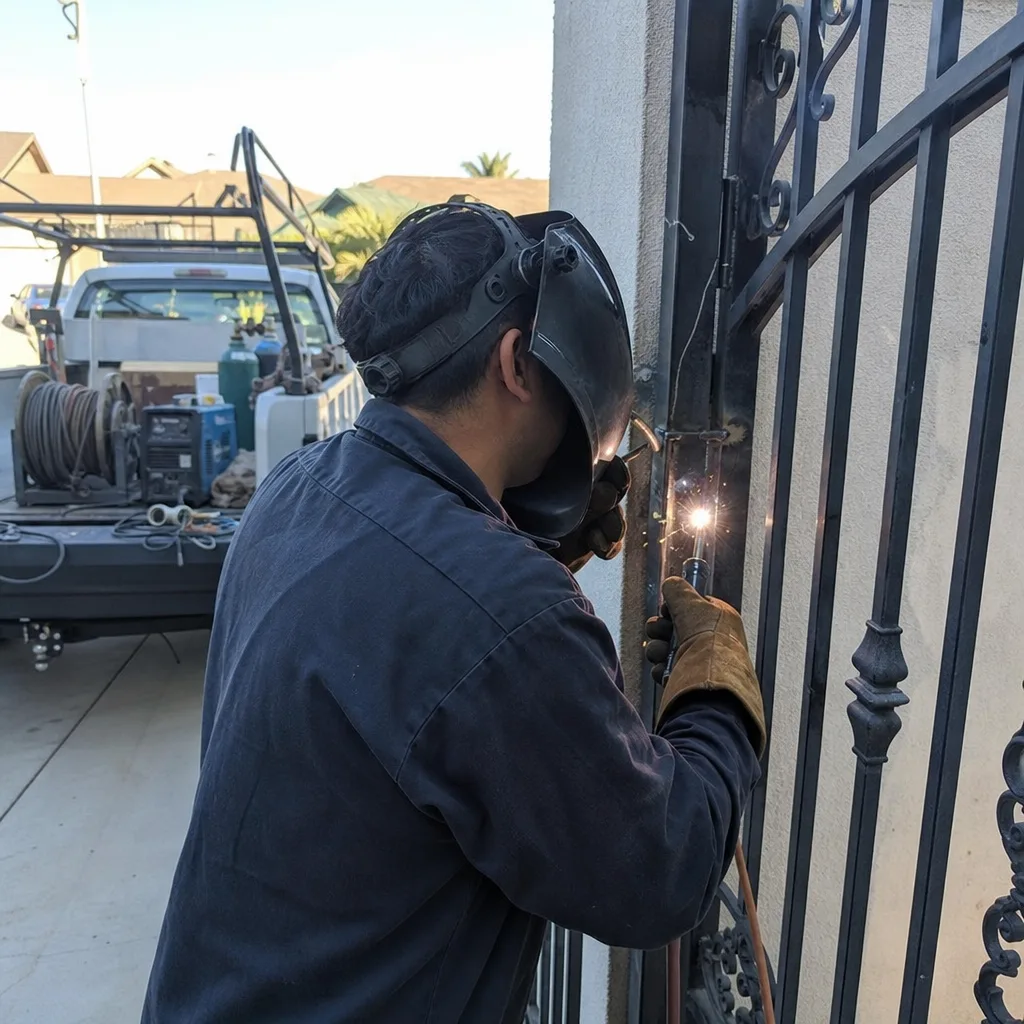
UL 325 is the safety standard that governs automatic gate operators in the United States. The standard classifies operators into four classes based on where they are used and what they are expected to protect against: Class I (residential, no public access), Class II (commercial or multi-family where the public may pass), Class III (industrial, limited access), and Class IV (guarded industrial, access controlled by security personnel). California has adopted UL 325 by reference through the California Electrical Code and the California Building Code. When an operator is replaced, the new unit must meet the standards for the class in which it operates. If the new operator does not carry the same Class rating as the old one, or if the layout of entrapment sensors changes, the installation is no longer a like-for-like replacement.
Here is what that means in practice. Suppose a home in San Fernando has a Class I swing gate operator from 2011, and the homeowner buys a new DoorKing operator rated for Class I and II use. Even though the new unit is better, the electrical service requirement may differ, the photo-eye configuration likely differs, and the installer is required to verify that the final installation meets UL 325 entrapment-protection requirements for whichever classification applies to the site. That verification includes the placement of photo-eyes at specific heights, the presence and operation of contact or non-contact edge sensors, the force setting on the motor, and the operation of the manual release. Under Clause 4 of our own service standard, every visit includes a documented photo record, and on operator replacements that record includes the sensor placement photos, the force readings, and the compliance checklist. You get a written record that the final system was tested against UL 325. Not every contractor leaves that behind.
There is another wrinkle. California Electrical Code Article 422 requires the operator circuit to be on a dedicated branch circuit. If the old operator was not on a dedicated circuit and the new installation brings the electrical work into scope, the electrical alteration itself requires a permit and potentially a panel inspection. We see this regularly in older San Fernando homes where the gate was added sometime in the 1980s or 1990s and tied into an existing exterior lighting circuit. The gate works fine for years. Then the operator is replaced, the new model draws more current on startup, and the breaker starts tripping. The fix is a new dedicated circuit, which is electrical work under the California Electrical Code, which requires an electrical permit. For specifics on operator work, see Gate Motor & Opener in San Fernando.
What an Inspector Actually Checks on a Permitted Gate Installation
When a gate installation or alteration is permitted through LADBS, the inspection process is not arbitrary. The inspector is walking a specific checklist, and knowing the checklist in advance is the difference between a one-visit sign-off and a frustrating cycle of corrections. Here are the six items that come up most often in San Fernando inspections.
- Entrapment protection devices. The inspector verifies that photo-eyes exist where UL 325 requires them, that they are mounted at the correct height (typically 6 to 12 inches above grade for primary entrapment zones depending on the operator class), and that they actually stop and reverse the gate when the beam is interrupted.
- Edge sensors. On gates that can contact a person or vehicle in the closing path, contact edges or non-contact sensors must be present, wired correctly, and tested under force. The inspector will often place a physical obstruction in the gate’s path and verify that the gate reverses before exceeding the UL 325 force threshold.
- Warning signage. UL 325 requires specific warning placards on both sides of any automatic gate. The inspector checks for them. They cost about $8 and cause a surprising number of failed inspections because the installer forgot to mount them.
- Dedicated circuit. The operator must be on its own breaker, labeled, and accessible. The inspector will want to see the breaker labeled or be able to trace the circuit.
- Structural mounting. The operator mount and the gate hinges must be secured to structurally sound posts or masonry. Anchors set into loose stone or crumbling brick get flagged.
- Manual release function. The gate must disengage from the operator manually and move freely by hand. The inspector checks this because it is the fire access path and the emergency access path for first responders.
The most common failure we see in San Fernando is the photo-eye height. The second most common is the missing warning placard. Both are five-minute fixes, but each one resets the inspection clock and usually adds a re-inspection fee. A clean first pass comes from having the checklist and the photos before the inspector arrives. We photograph every item on the list during the install, so if the inspector asks a question, the answer is on the job record. That is the documentation habit we built on commercial access control starting in 2014, and it applies to every residential driveway gate we touch.
The HOA Overlay: When Architectural Approval Runs Parallel to a City Permit
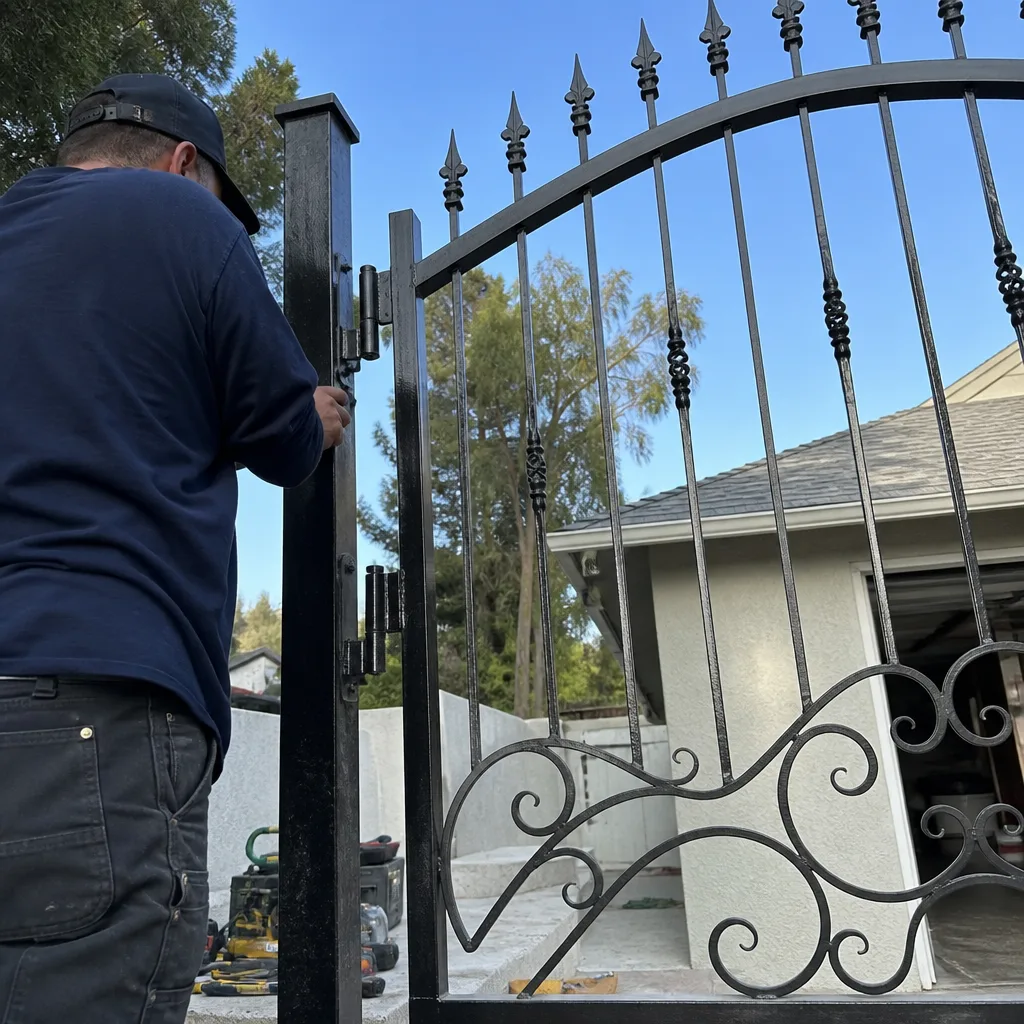
In much of San Fernando, the city permit is only half the process. Communities with a homeowners association add a second approval layer that operates on a separate timeline and a separate set of rules. The HOA does not care about UL 325. It cares about sightlines, materials, color, height, setback consistency, and whether the new gate or operator housing matches the community’s approved aesthetic.
The two processes run in parallel, not in sequence. A city permit through LADBS does not satisfy the HOA’s architectural review requirement. An HOA architectural approval does not satisfy the city’s building code requirement. Both must be completed before work starts, and in our experience the HOA approval often takes longer than the city permit. A standard LADBS over-the-counter permit for an operator replacement can be issued the same day in many cases. The same project at an HOA in the San Fernando area can sit in an architectural review committee queue for two to four weeks, depending on how often the committee meets.
The interaction matters when the two bodies disagree. We have seen HOAs reject a gate design that the city would have permitted without hesitation, on the grounds that the proposed gate height exceeded the community’s published maximum. We have also seen the reverse, where a city inspector flagged a gate for not meeting the required setback and the HOA had already approved the identical spec because the HOA’s rules predated the current code. Neither body grants a waiver for the other’s requirements. The homeowner is left managing both, and the cheapest time to find out that the HOA has a conflict with the city’s code is before anyone cuts a footing.
Our advice, whether we are doing the work or you are working with another contractor, is to run both approvals concurrently and to keep the HOA’s architectural standards document in the same folder as the city permit. When the two conflict, the city code wins. The HOA cannot authorize a gate that violates California Building Code, whatever its own guidelines say. For new gate work of any kind, the same discipline applies. See Gate Installation in San Fernando for a full breakdown of what a new gate project actually involves.
Insurance Exposure: Why Unpermitted Operator Replacement Liability Transfers to You
The insurance issue is the one most gate contractors never mention, because it surfaces after the job is done, sometimes years later. A homeowner replaces a gate operator without a permit. Two years pass. A child is injured by the gate. The family’s attorney files a claim against the homeowner’s policy. The insurer’s first question is whether the operator was installed legally. If the answer is no, because the replacement changed the entrapment classification and no permit was pulled, the insurer has grounds to deny the claim.
This is not a hypothetical. Insurance policies contain provisions excluding coverage for losses arising from illegal or unpermitted work. The exact exclusion language varies by carrier, but the substance is consistent: if the insured performed or contracted for work that required a permit and no permit was obtained, and the loss arises from that work, coverage may be denied. The liability does not stay with the contractor, whatever the contractor said at the time. The contractor may be liable in a separate action, but that is a lawsuit against a company, not an insurance payout on the homeowner’s policy. The practical burden lands on the homeowner first.
The exposure is not limited to injury claims. If an unpermitted operator installation causes a fire and the house burns, the homeowner’s claim can be denied for the same reason. If a gate falls and crushes a car, same analysis. The threshold question is always the same: was the work permitted when it should have been. In San Fernando, where many gates are decades old and many operator replacements have happened over the life of the property, we routinely find situations where a previous contractor replaced an operator without pulling a permit and the current homeowner did not know that the work should have been permitted. The homeowner inherits the exposure. Our standing recommendation is to check the permit history on any property before buying it and to pull the permit when the code says one is required, even if the work was done years ago. The permitting process in Los Angeles includes a path to retroactively permit unpermitted work, through a process that involves an inspection and a correction list. It is not painless, but it resolves the insurance exposure.
What Permitting Costs in the San Fernando Area
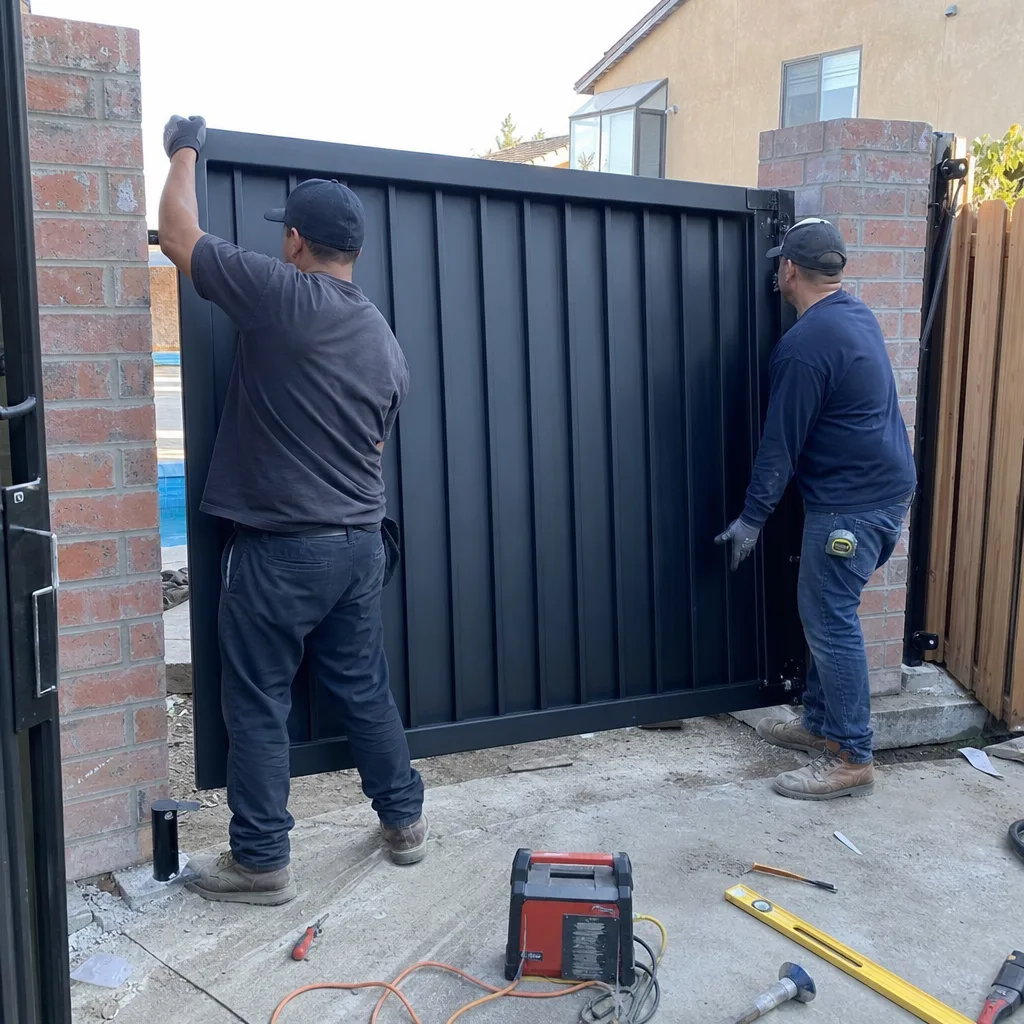
Permit costs in Los Angeles County are driven by the valuation of the work, and the fees are a fraction of what most people expect. For a typical operator replacement with a valuation between $1,000 and $3,000, the LADBS permit fee typically runs between $100 and $250, depending on the project type and the number of inspections required. For a new gate installation with an operator, the permit is usually higher, in the $300 to $600 range, because the project includes structural review. A permit for a simple like-for-like gate repair is usually zero, because the code does not require one.
The table below reflects typical ranges we see in the San Fernando area for common gate projects.
- Like-for-like parts replacement: No permit required, no fee.
- Operator replacement, same class, same electrical load: Permit often not required, but check with LADBS if the model changes. Fee: $0 if exempt.
- Operator replacement, different class or different electrical load: Permit required. Fee: $100 to $250 depending on valuation.
- New gate installation with operator: Permit required. Fee: $300 to $600 including structural plan review.
- Electrical permit for new dedicated circuit: $80 to $150, depending on scope.
- Re-inspection fee after a failed inspection: $80 to $150 per visit, depending on the LADBS fee schedule.
The permit fee is never the expensive part of a permitted gate job. The expensive part is the time: plan review, appointment scheduling, and the inspection window. Expect two to six weeks from permit application to final sign-off for a typical operator replacement in San Fernando. Some over-the-counter permits move faster. A new gate with structural review moves slower. Budget the time, not just the fee. And under Clause 1 of our service standard, the written price you receive before work starts includes the estimated permit cost and the estimated timeline. No surprise fees when the permit is pulled.
Step-by-Step: How to Pull a Gate Permit in San Fernando
The process for pulling a gate permit through LADBS is straightforward once you know which path applies.
- Determine if you need a permit. Apply the like-for-like test. Same part, same electrical load, same entrapment class: no permit. Any change to structure, electrical configuration, or operator classification: permit.
- Check the HOA rules. If your property falls within an HOA, request the architectural review form and the relevant sections of the CC&Rs. Do this at the same time you start the permit process, because the HOA timeline is usually longer.
- Prepare the project description. LADBS wants to know what you are installing, where, and what it connects to. A short written description, a photo of the existing gate, and the make and model of the new operator are usually enough.
- Submit the application. Many simple gate permits can be applied for online through the LADBS website. More complex projects, including new gates with structural elements, may require an in-person visit to a plan check counter.
- Pay the fee. The valuation of the work determines the fee. Payment is made at the time of application.
- Schedule the inspection. After the work is completed, schedule the inspection through the LADBS online portal or by phone. The inspector will confirm the date and give you a window.
- Pass the inspection. The inspector checks the items listed in the section above. If the work fails, the inspector issues a correction notice, and a re-inspection must be scheduled after the corrections are made.
- Receive the final sign-off. When the inspection passes, the permit is closed and the approval is recorded. File it with your property records.
Our team handles the permit application and the inspection scheduling through our Gate Repair services for clients in San Fernando who ask us to. We do not charge a hidden coordination fee for it. The price is the price, written before the work starts. The difference is that when we handle the permit, we also handle the correction list if one comes up, because we are the ones who did the work and the photos show what was done.
Common Mistakes to Avoid
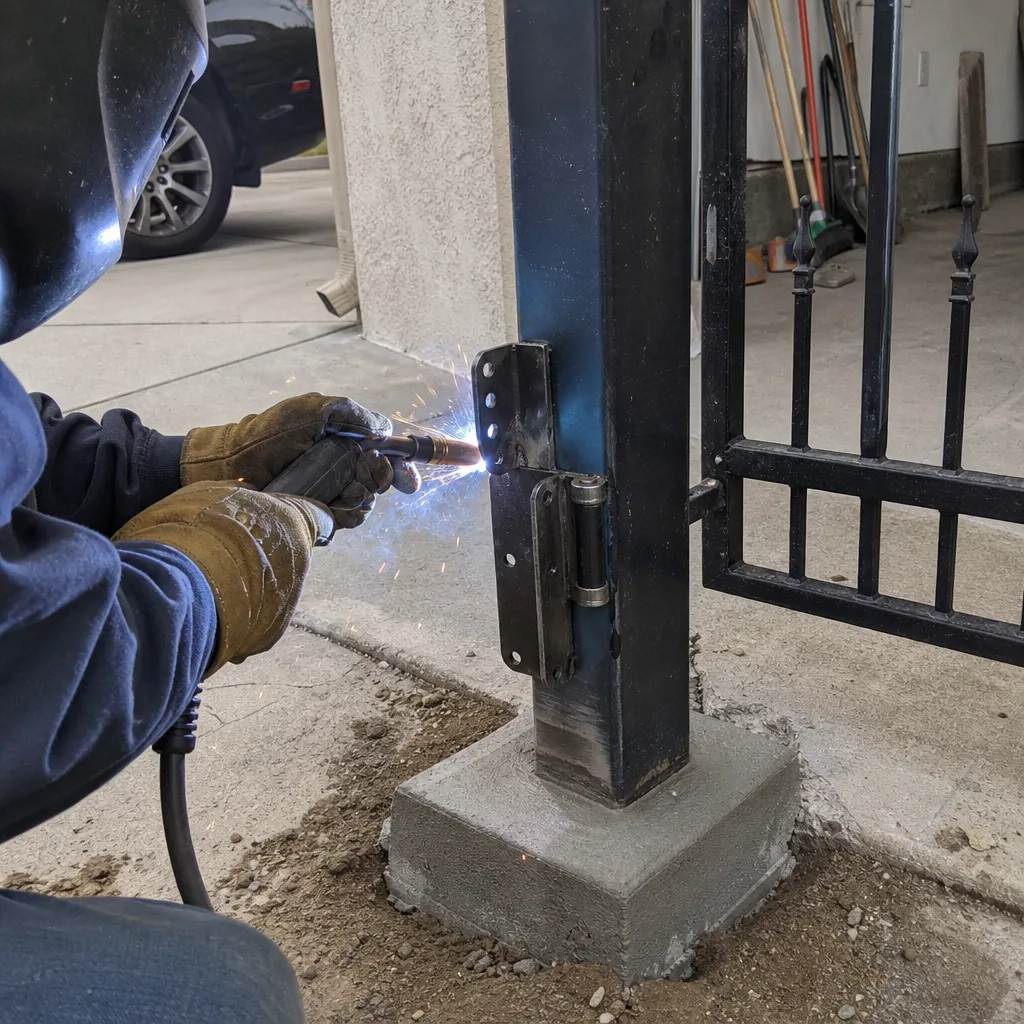
- Assuming all operator replacements are exempt. The exemption applies to like-for-like replacements. A different model from the same brand can still be an alteration if the electrical load or the entrapment classification changes.
- Replacing an operator without checking the existing circuit. Many San Fernando homes have gate operators tied into shared circuits. A new operator that draws more current on startup may trip the breaker and expose unpermitted electrical work that predates the current homeowner.
- Forgetting the warning placards. UL 325 requires them, they cost under ten dollars, and they fail inspections constantly. Missing placards are the cheapest avoidable correction on the LADBS checklist.
- Starting work before HOA approval. A city permit does not authorize work that violates the HOA’s architectural standards. If the HOA rejects the design after the gate is installed, the homeowner may be ordered to remove it at their own expense.
- Using a contractor who will not pull the permit. A contractor who insists the work never needs a permit, without being able to cite the code section that says so, is transferring legal risk to you. Ask for the code citation.
- Ignoring the re-inspection fee. A failed inspection is not just an inconvenience; it is a $80 to $150 fee and a two-week delay. The time to fix the issues is before the inspector arrives.
- Not retaining the final sign-off. The closed permit is your proof of legal installation. Without it, you cannot prove to an insurer or a future buyer that the work was permitted.
When to Call a Professional
Call a licensed professional when the job involves an operator replacement that changes the entrapment classification, any structural modification to posts or footings, any electrical work on the operator circuit, or any gate where a permit is required and you are not prepared to manage the LADBS process yourself. The code is navigable, and the fees are modest, but the penalty for a missed step is measured in insurance exposure, not dollars. Vance Gate Repair San Fernando offers free estimates in San Fernando. Our written price includes the complete scope of work, the permit fee estimate, and the documentation you receive when the job is done. Call (747) 260-0589 to schedule a visit.
Frequently Asked Questions
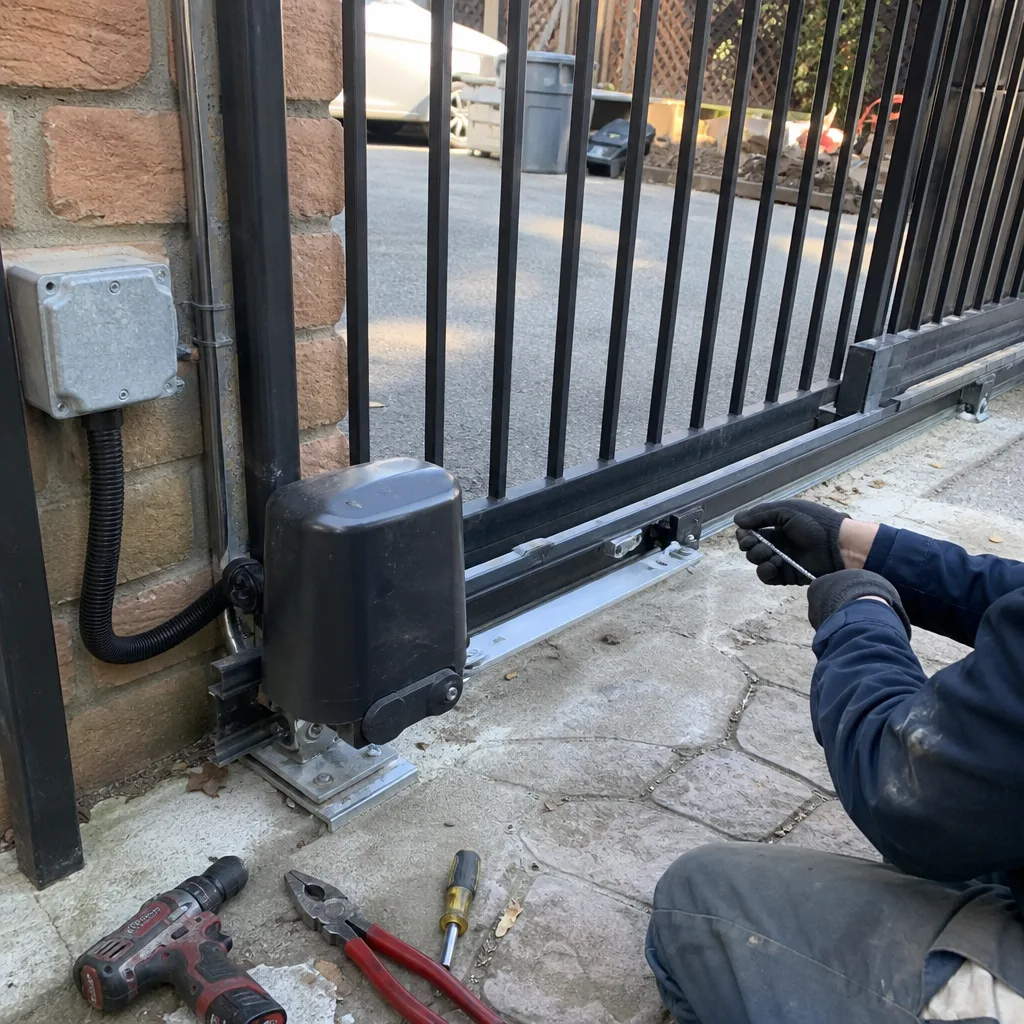
Most repairs do not require a permit if they are like-for-like replacements of existing parts. Replacing a hinge, wheel, keypad, circuit board, or photo-eye with the same part is classified as maintenance and is exempt under California Building Code Section 105.2. If the repair changes the structure, the electrical configuration, or the UL 325 entrapment-protection classification of the operator, a permit is required. Call (747) 260-0589 if you are not sure which category your repair falls into. We will tell you the code section that answers it.
A typical operator replacement permit in San Fernando costs between $100 and $250 depending on the valuation of the work. A new gate installation with an operator usually costs between $300 and $600. Like-for-like part replacements cost nothing in permit fees because they do not require a permit.
UL 325 is the national safety standard for automatic gate operators, and California has adopted it as code. It classifies operators into four categories and requires specific entrapment-protection devices, including photo-eyes, edge sensors, warning placards, and force limits. When an operator replacement changes the classification of the installation, the entire system must be brought into compliance with UL 325 for the new class, which is a code issue, not a preference.
Yes, and a reputable one will. The contractor of record on the permit is the one held accountable for the work. If a contractor tells you that pulling a permit is impossible, unnecessary, or not worth the fee, ask for the code section that supports the claim. If the answer is vague, get a second opinion. We offer a free second opinion on any written estimate from another company, including a review of the permit status and what the code actually requires.
If the work required a permit and none was pulled, the installation may be uninsurable for claims arising from it. LADBS does have a process to retroactively permit existing work, which involves an inspection and a correction list for anything that does not meet current code. It is usually less expensive and less stressful than waiting for an insurance claim to raise the issue.
For a simple like-for-like repair, most HOAs do not require architectural approval, because the gate’s appearance and footprint do not change. For a new gate, a different gate style, a different operator housing, or a change to the gate’s height, color, or materials, most HOAs in the San Fernando area do require approval, and that approval is separate from the city permit. Check your CC&Rs before you spend money on materials.
The Bottom Line
In California, the line between gate maintenance and gate alteration is a code question, not a judgment call. Like-for-like part replacements stay on the exempt side of the line. Operator replacements that change the entrapment-protection classification cross it, and with it comes a permit, a UL 325 compliance review, an inspection, and an insurance consideration that does not go away when the contractor’s truck does. In San Fernando, the municipal side runs through LADBS, the HOA side runs through your community’s architectural committee, and the two timelines take about as long as each other. Pull the permit, keep the sign-off, and keep the documentation. For more guides & resources, see our blog. It is the cheapest insurance policy you will ever buy.
If you need a gate permit pulled, a code-compliant repair, or a second opinion on a quote that feels off, we’re here. Gate Repair in San Fernando is what we do every day. Call (747) 260-0589 or visit our Vance Gate Repair San Fernando home page to learn more.
Written by Adrian Vance, Owner at Vance Gate Repair San Fernando, serving San Fernando since 2014.