
Last updated September 20, 2026
Free on-site gate assessment - hinges, posts, and your LiftMaster or Nice gate operator checked before anything is quoted
The assessment is free and the quote is the invoice.

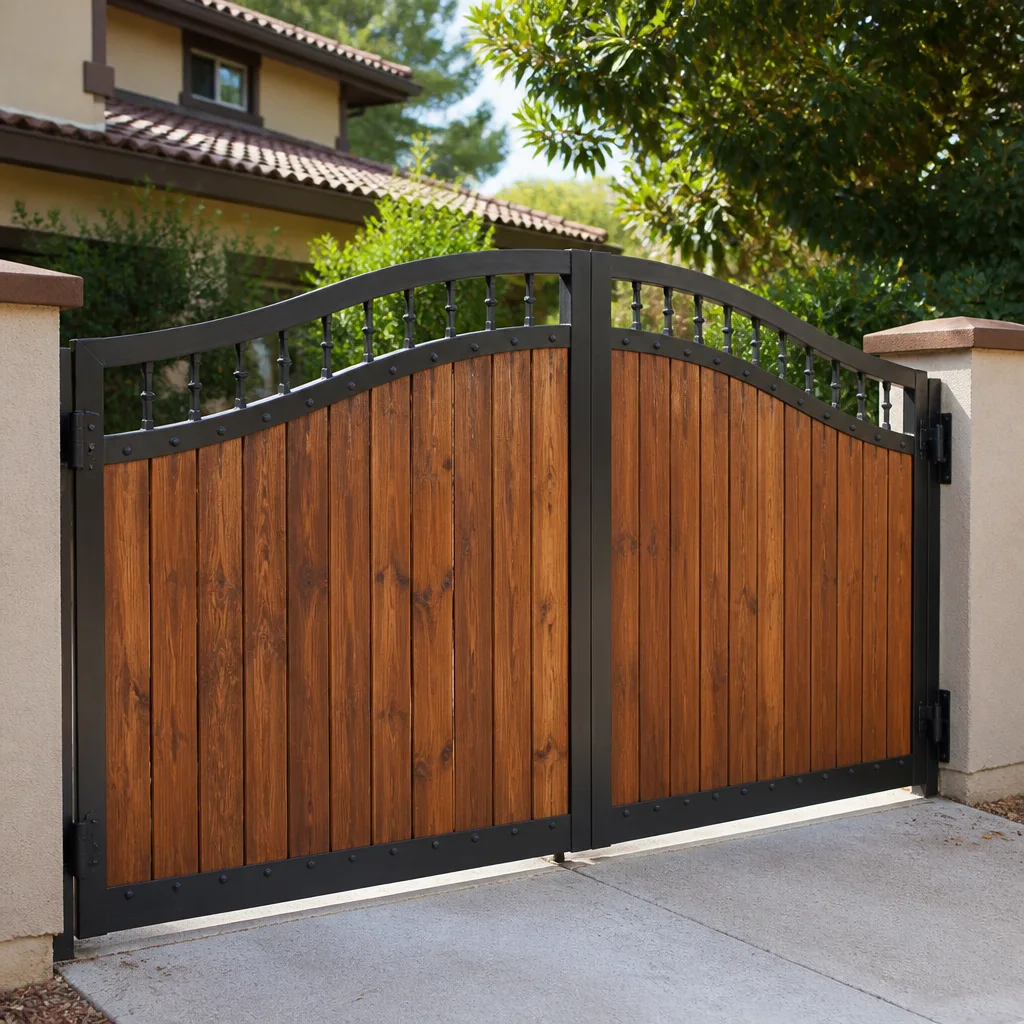
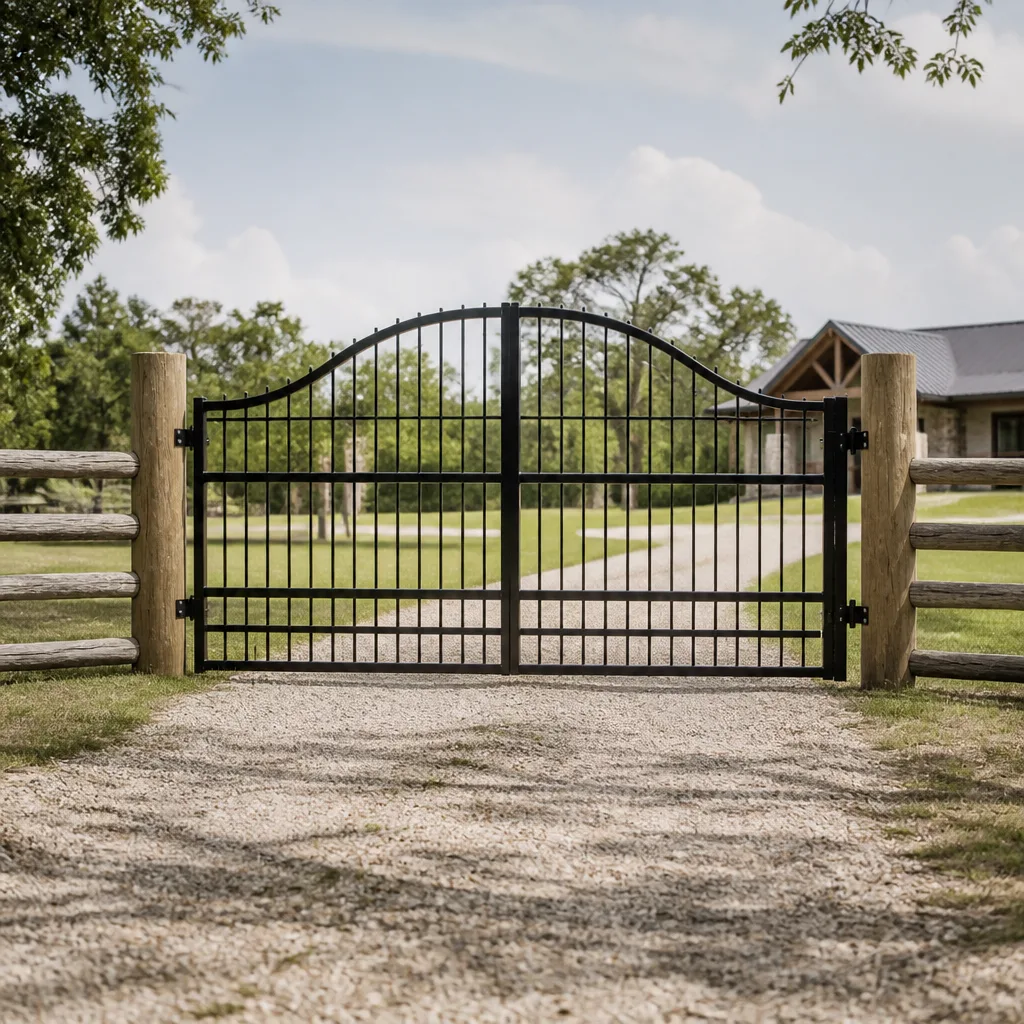
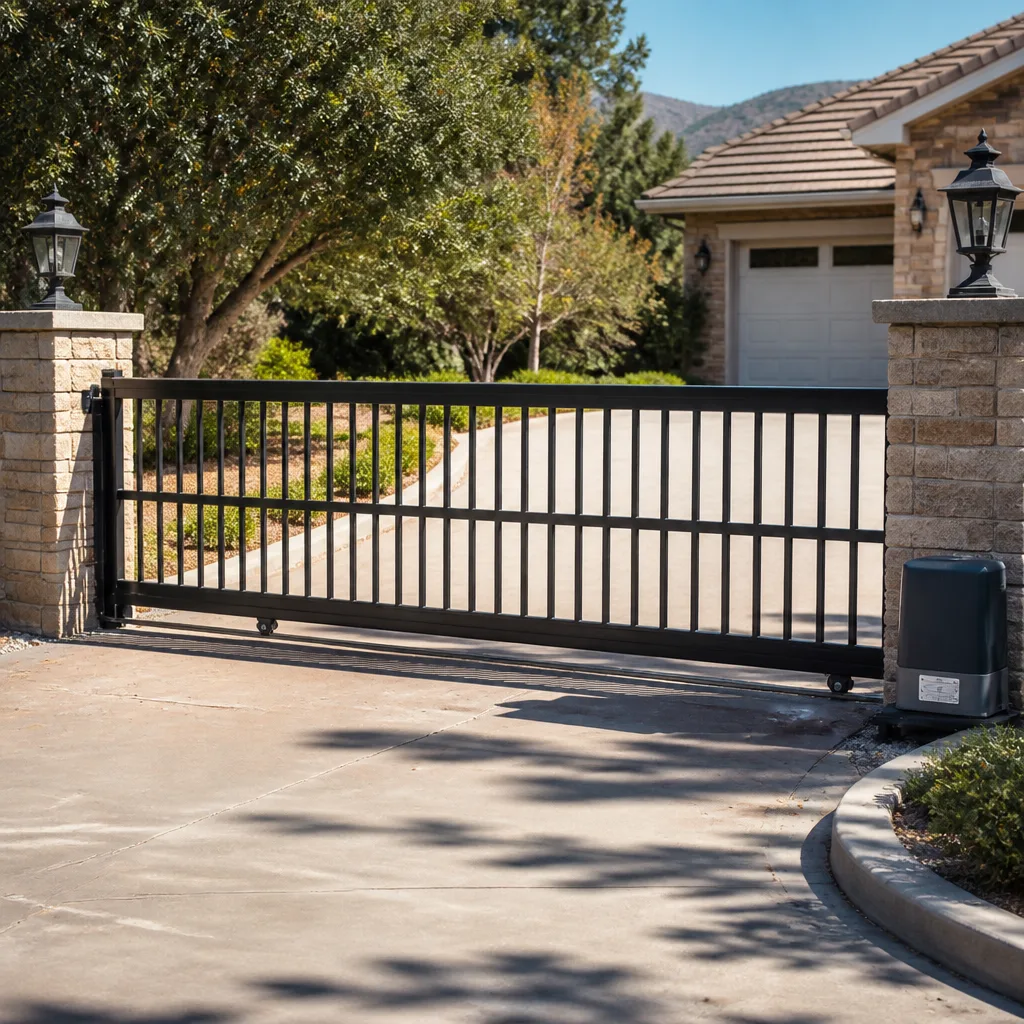
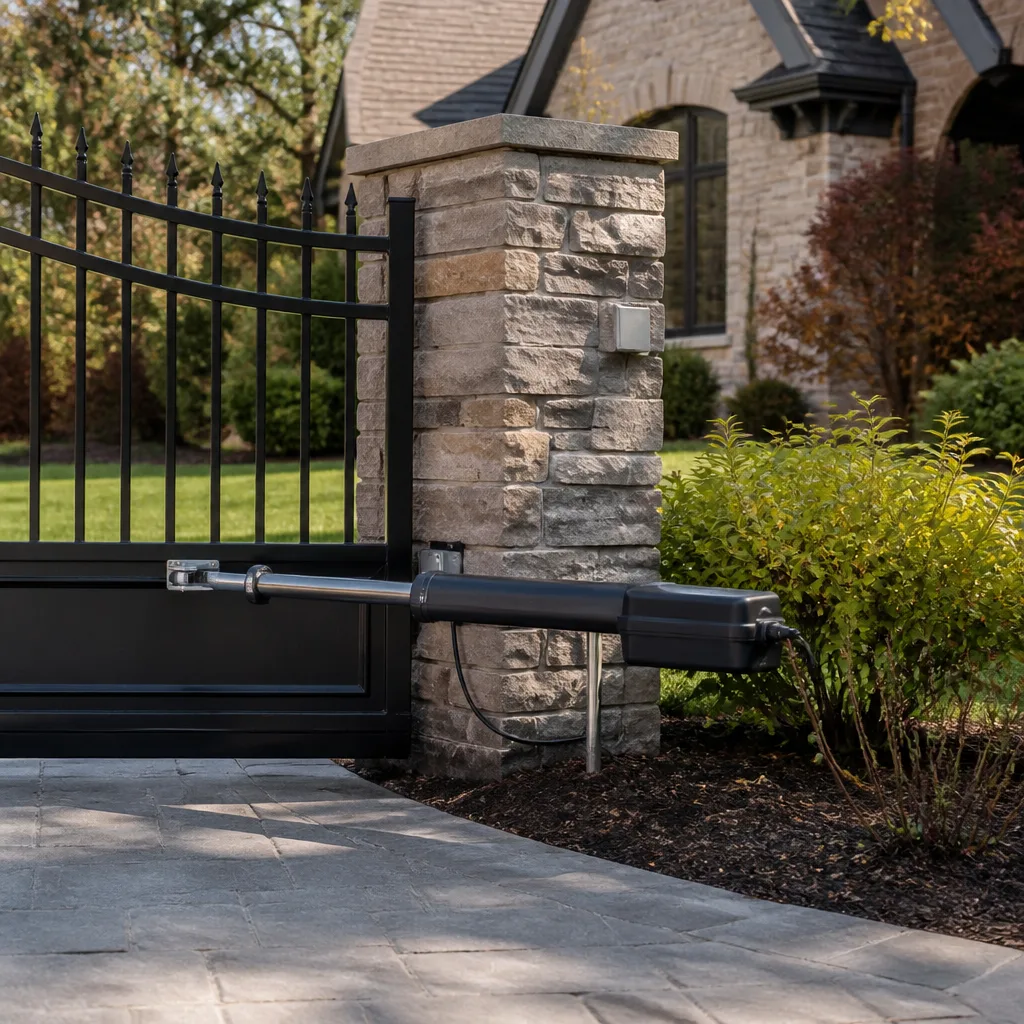
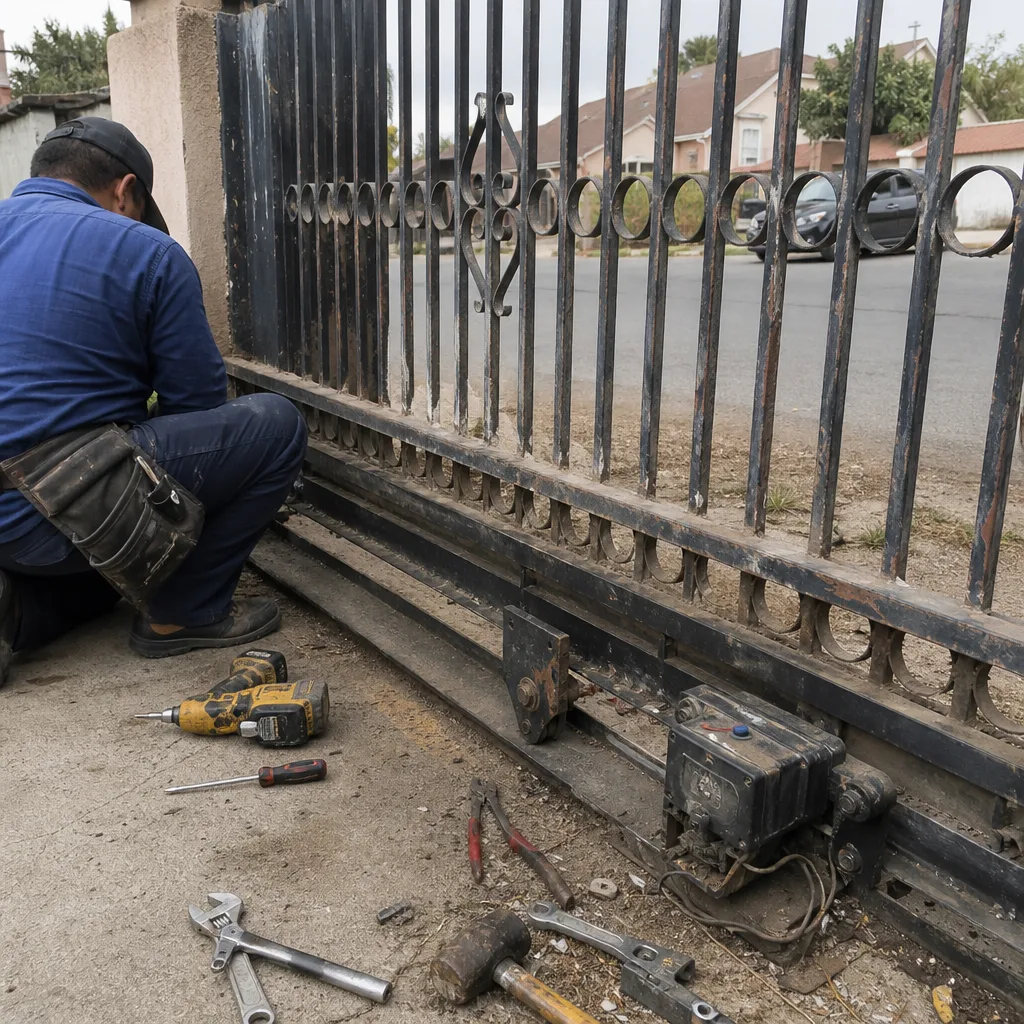 Before
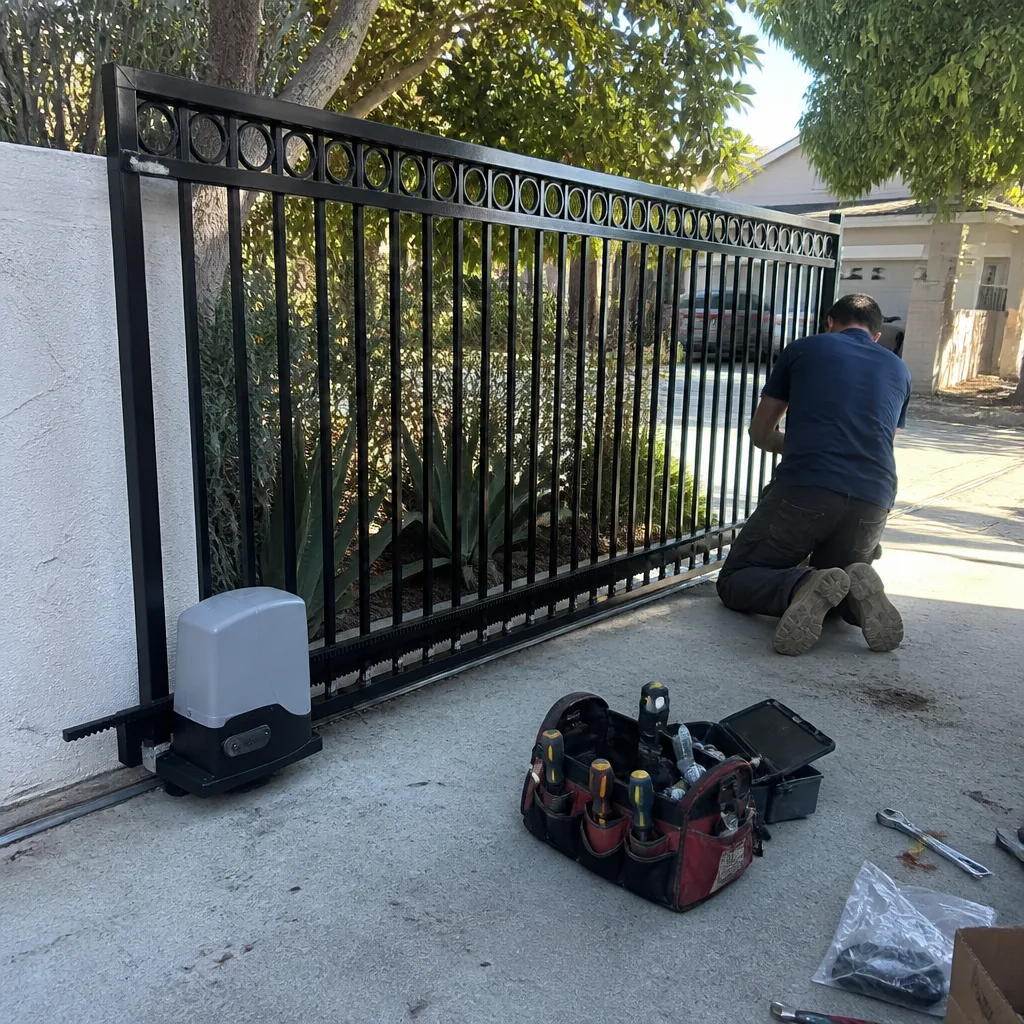 After
AfterGate Repair Maintenance Checklist for San Fernando Homeowners
Every gate maintenance checklist tells you to lubricate the chain and check the hinges. Almost none tell you to write down how many seconds the gate takes to travel from fully open to fully closed. That single number, recorded twice a year, will tell you more about your gate’s health than any generic inspection task. A motor that takes 14 seconds to close a gate it once closed in 10 seconds is working harder, running longer, and heading toward a failure. This guide gives San Fernando homeowners a maintenance system built on baseline readings, not just completed tasks, so your next inspection actually means something.
Quick Answer
A meaningful gate maintenance checklist for San Fernando homeowners includes recording baseline readings (open and close cycle time in seconds, reverse-force test results, battery voltage if applicable) plus visual inspections of hinges, wheels, chains, and photo-eyes every six months. Tasks like cleaning photo-eye lenses and checking for rust are owner-serviceable, while limit-switch adjustments, motor diagnostics, and spring work should go to a technician. In this climate, summer heat degrades electronic boards and plastic housings faster than any other season, so time your inspections for late spring and late fall. Document everything with photos so next year you have something to compare against.
Table of Contents
- The Baseline Reading Log: Why Numbers Beat Checklists
- What San Fernando’s Climate Does to Gate Hardware
- Owner-Serviceable Maintenance Tasks
- What Requires a Technician (and Why)
- The Photographic Maintenance Record
- A Printable Log Template Structure
- Common Mistakes to Avoid
- When to Call a Professional
- Frequently Asked Questions
BeforeAfterThe Baseline Reading Log: Why Numbers Beat Checklists
Here is the problem with a checkbox checklist. You can mark “checked gate operation” every year and still miss a gate that has been slowing down by half a second per month. Checklists confirm that you looked. Numbers tell you whether anything changed.
A baseline-reading log works like this. The first time you maintain your gate with intention, you record specific values: full open-cycle time, full close-cycle time, the distance the gate stops from the post, and whether the auto-reverse function triggers within the first few inches of resistance. On every subsequent inspection, you record those same values again and compare. A four-second increase in cycle time across six months is a data point. It tells you the motor is under load, the rollers are binding, or a hinge is stiff. Without last year’s number, this year’s reading is just trivia.
We have seen this exact pattern in San Fernando residential gates. A homeowner notices the gate sounds different, but cannot say why. The cycle time has crept from 11 seconds to 17 seconds. That kind of load increase nearly always traces to a mechanical point of friction that could have been fixed for a few hundred dollars, but by the time the motor fails, the bill is four times that. The log is what catches it early.
What to Record at Every Maintenance Interval
- Open-cycle time in seconds: from the moment the motor starts to the moment the gate reaches its full open stop. Record to the half-second if you can manage it.
- Close-cycle time in seconds: same measurement in the opposite direction. Compare the two. Swinging gates often close slower than they open by design, but the relationship should remain consistent.
- Reverse-force test result: does the gate reverse within the first three to four inches of contact with a firm object, and does it do so every time? Record whether it passed or failed, not just that you tested it.
- Battery voltage under load (if applicable): backup batteries read differently under load than at rest. A battery that shows 13.5 volts at rest but drops below 11 during a cycle is nearing replacement.
- Limit-switch positions: these should not need frequent adjustment. If they do, that is a symptom, not a maintenance item. Note any change in stopping position.
- Photo-eye alignment check: confirm the beam is aligned and the gate reverses when the beam is interrupted during closing.
The point of this list is not complexity. It is comparability. Two years of these readings will tell you more than a decade of “inspected and lubricated” notes. For a deeper look at what a professional repair involves once a problem is spotted, see our guide on Gate Repair in San Fernando. If your baseline reading suggests the motor is working too hard, our Gate Motor & Opener in San Fernando service covers diagnostics on nine major automation brands including DoorKing, Elite, Mighty Mule, and Ghost Controls.
What San Fernando’s Climate Does to Gate Hardware
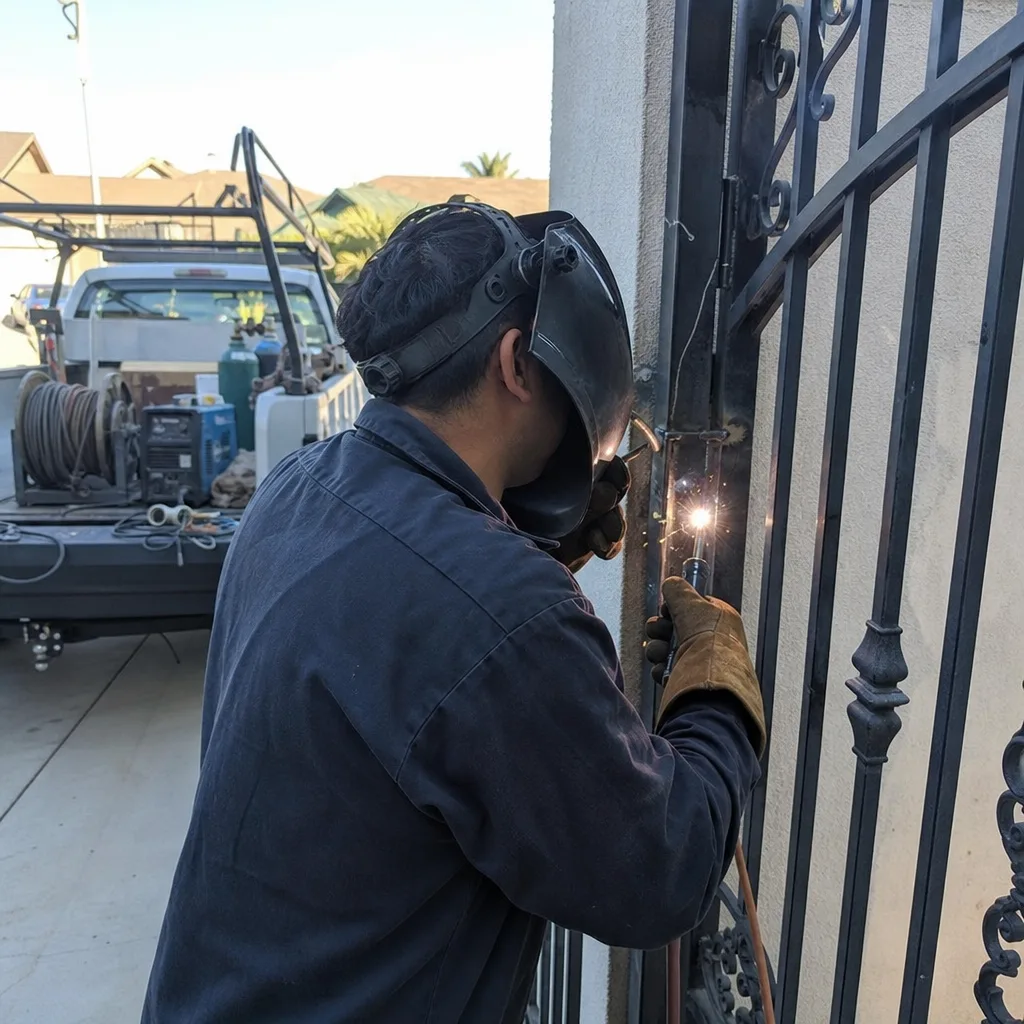
San Fernando sits in the northeastern San Fernando Valley, where summer temperatures routinely push past 100 degrees Fahrenheit and stay there for weeks. This is not a coastal microclimate. The heat is sustained, dry, and hard on exterior hardware. It is also dustier than homeowners expect, especially during Santa Ana wind events, and that dust settles inside motor compartments, chain tracks, and limit-switch housings.
The components that fail first in this climate are predictably consistent:
- Control boards: sustained heat above 95 degrees accelerates electrolytic capacitor aging. A board that would last eight years in a mild climate may start glitching after four in San Fernando. Symptoms include intermittent failure to open, random stops mid-cycle, and unresponsive remote commands.
- Plastic gear trains and housings: many residential gate motors, including entry-level Mighty Mule and Ghost Controls units, use plastic drive gears inside the actuator. Heat makes these brittle over time. When they strip, the motor runs but the gate does not move.
- Battery cells: backup batteries fail faster in high heat. If your gate has a battery backup, expect to replace it every two to three years in this climate, not every five as manufacturer documentation often suggests.
- Weld joints on steel gates: thermal expansion and contraction work on welds over years. A visual crack inspection is especially important for San Fernando homes with steel swing gates facing direct afternoon sun.
- Limit switches and soldered connections: repeated heating and cooling cycles can crack solder joints. Intermittent limit-switch behavior is often a cold solder joint, not a programming issue.
The inspection interval that actually works in this climate is not “annual checkup.” It is twice a year: once in October, after the worst heat has passed, and once in April, before it returns. The October inspection is the more important one, because it catches heat damage before winter moisture introduces corrosion into any cracks or exposed connections.
If you live in an older San Fernando neighborhood with mature landscaping, add a quarterly visual sweep for plant growth. Vines and unchecked shrubbery push against gate panels, interfere with photo-eyes, and create humidity pockets around hardware. Also see our Vance Gate Repair San Fernando home page for information on structural repairs, welding, and parts that can address heat-related metal fatigue.
Owner-Serviceable Maintenance Tasks
Some maintenance belongs to the homeowner. These are tasks that require no disassembly of energized components, no adjustment of travel limits, and no handling of high-tension parts. Do these every six months, and more often during dusty or windy seasons.
1. Clean the Photo-Eye Lenses
The photo-eye is the infrared beam that stops the gate if a person, car, or child crosses the path while it is closing. A misaligned or dirty photo-eye is the single most common cause of a gate that refuses to close or reverses unexpectedly. Wipe each lens with a soft, dry cloth. Do not use glass cleaner, which can leave a film. Check that the beam is aligned by looking for the small indicator lights on each eye. If one is blinking, alignment is off.
2. Inspect Hinges and Rollers Visually
Look for rust, crumbled bearings, and any bolt that appears loose. On sliding gates, check the rollers and the track. Remove debris from the track with a stiff brush. Sand and small stones from San Fernando’s dry wind events accumulate in gate tracks faster than most people realize. A track obstruction is a common cause of “my gate stops halfway.” If a roller shows visible play or a flat spot, call for a replacement. A worn roller will destroy a track if left unaddressed.
3. Test the Reverse Function
This is a safety test, not a performance test, and it should be done every single month. Place a solid object, a 2×4 works well, in the gate’s closing path. The gate should contact it and reverse within three to four inches of travel. If it does not, stop using the automatic function and call for service. This is a UL 325 safety requirement for automated gates, and a gate that does not reverse is dangerous to children, pets, and vehicles.
4. Check for Rust and Paint Failure
Walk the full length of the gate with your hands in your pockets or a flashlight in hand. Look at weld seams, the bottom rail, and anywhere water might sit. Surface rust can be addressed with a wire brush and a rust-inhibiting primer. If rust has penetrated to pitting or flaking, the structural integrity is compromised and the metal will need welding repair or section replacement.
5. Listen During a Full Cycle
You learn the sound of a healthy gate over time. A new grinding noise, a high-pitched whine, or a series of stutters can indicate something specific: a loose chain on a sliding gate, a failing capacitor on a swing-gate motor, or a wheel bearing that has run dry. Write down what you heard and when, even if you do nothing else. That note is part of the baseline log.
What Requires a Technician (and Why)
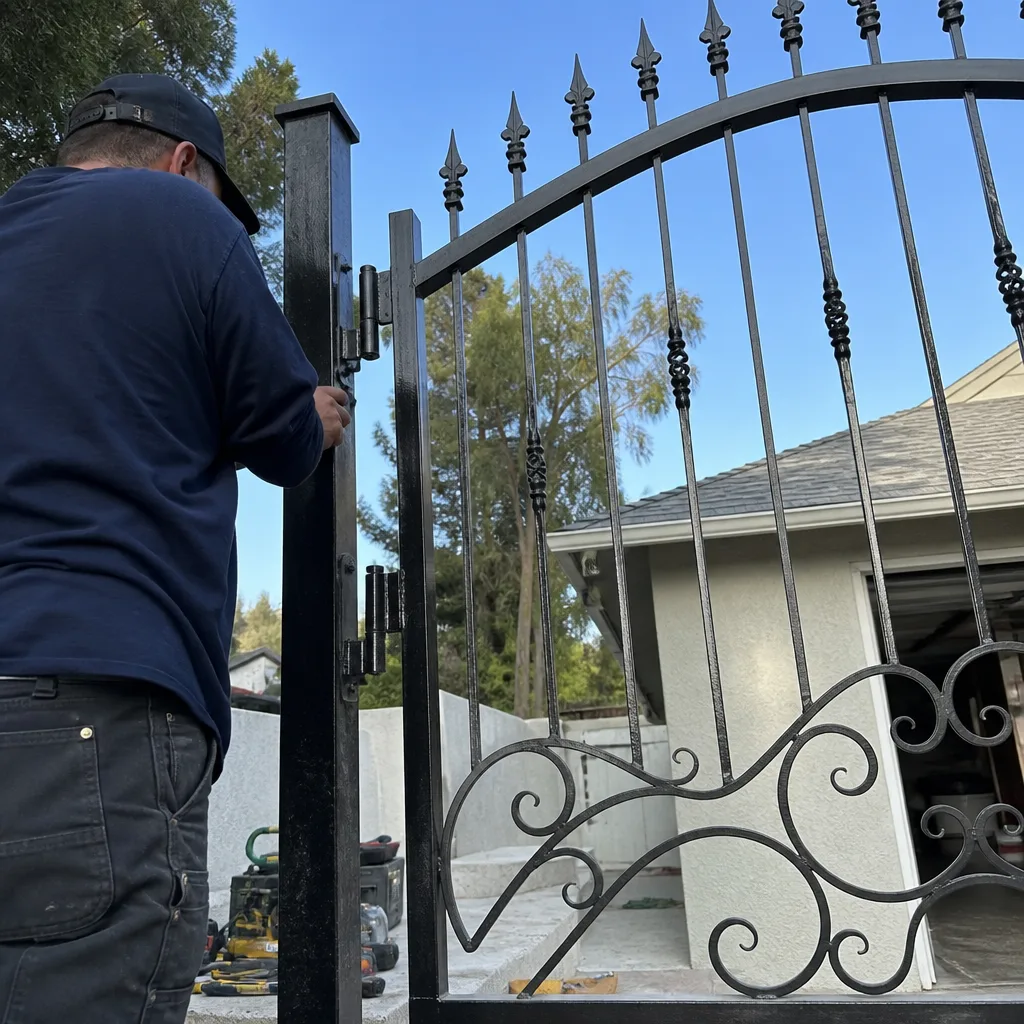
Some work is not owner-serviceable, and the line is drawn where safety and precision intersect. These are the tasks that need a trained gate technician with test equipment and the right replacement parts.
Limit-Switch Adjustment and Motor Diagnostics
Limit switches control where the gate stops in each direction. When they are misadjusted, the gate either over-travels, slamming into the post and stressing the motor, or under-travels, leaving a gap that compromises security. Setting a limit switch correctly requires access to the motor’s programming interface and testing under load. This is not a guess-and-check procedure.
Torsion Spring and High-Tension Cable Work
Some swing gates and many sliding gates use high-tension springs to counterbalance the gate’s weight. These springs are under constant, substantial load. A spring that snaps under tension releases force violently. Do not remove, adjust, or attempt to replace a gate tension spring yourself. This is the one component on a gate that is genuinely dangerous if mishandled. A technician has the correct tools and the training to de-tension safely before working.
Control Board Replacement and Programming
Replacing a control board is not just a matter of swapping parts. New boards need to be matched to the motor’s input type, the accessory voltage, and the remote frequency. Incorrect installation can damage the new board or cause the gate to behave unpredictably. On brands like DoorKing and Elite, common in San Fernando residential installations, we replace the board and re-commission the entire circuit to confirm everything speaks correctly.
Chain Tension and Track Alignment on Sliding Gates
A loose chain will skip on the sprocket. An over-tightened chain will load the drive shaft and shorten the motor’s life. The correct tension is usually measured in deflection, and it is brand-specific. Track alignment is a different skill set entirely. A track that is off by a quarter inch over twenty feet will bind the gate and burn out a motor within months. These are setup tasks, not maintenance tasks, and they require a technician.
Any Repair That Involves Welding
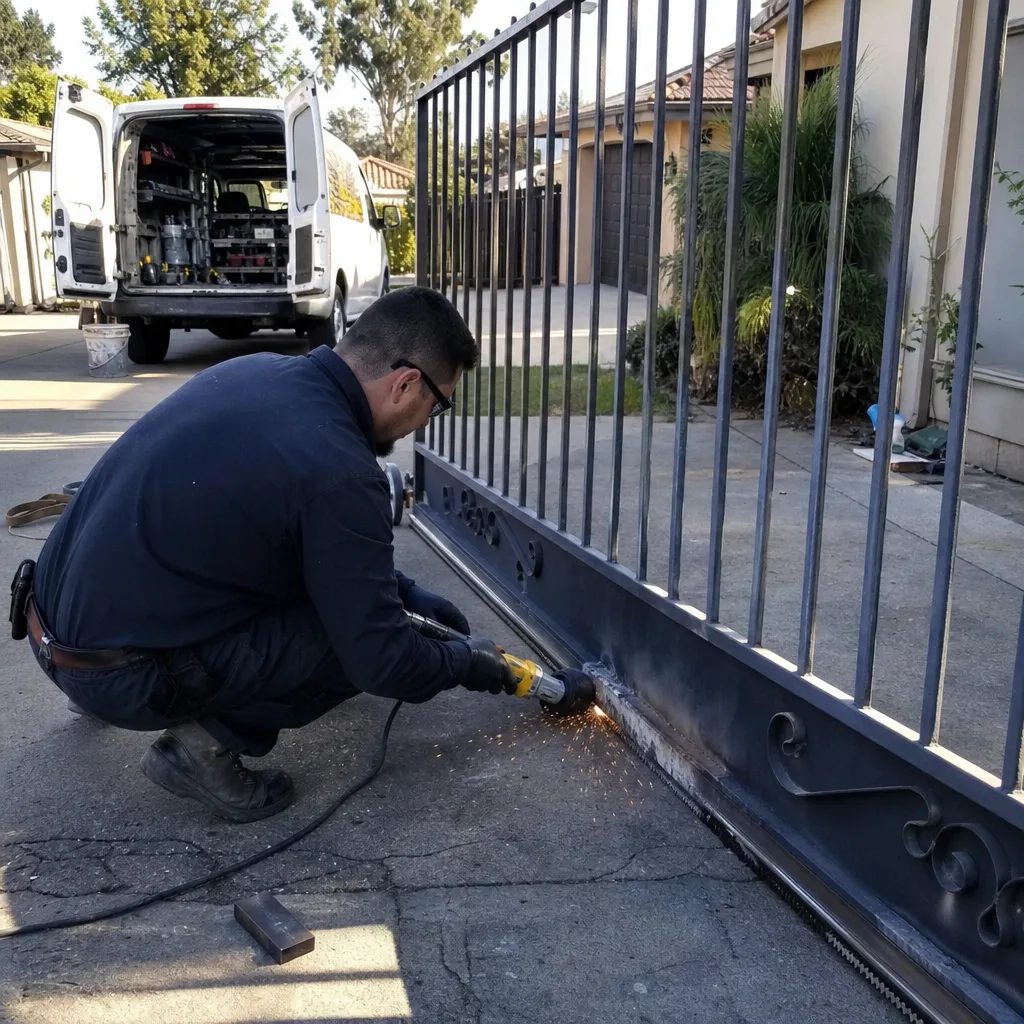
San Fernando gates, particularly steel driveway gates on larger lots, often need welding repair after years of thermal cycling and weight stress. Welding is structural work. A cracked weld on a gate hinge or a broken support post is not something to patch with hardware-store brackets. A certified welder needs to assess the crack, clean the steel, and restore the connection. For a full picture of the services that fall under professional gate work, see our Gate Installation in San Fernando overview, which covers structural gate replacement when welding repair is no longer viable.
The Photographic Maintenance Record
A written log keeps the numbers. A photographic record keeps the visual truth. Together they solve the most expensive problem in gate maintenance: the “I don’t know what was done before” problem.
When a homeowner sells a house, they hand over appliance manuals and paint codes. Almost no one hands over a gate service history. The new owner calls a gate company, gets a diagnosis, and pays to rediscover information that was already known. A simple photo log eliminates that.
Here is what a useful photographic record contains:
- Before and after shots of every adjustment: the limit-switch position before and after, the chain tensioner position before and after, the hinge after lubrication.
- Part number photos: take a photo of the data plate on the motor, the control board, and any replacement part. The part number is stamped or printed on the component, and knowing it saves real money the next time a part fails.
- Wiring photos before any electrical work: if a technician ever opens the control box, photograph the wiring before anything is disconnected. This is the same documentation habit that governs our own work.
- Time-stamped evidence of the condition you found: a rust spot, a worn roller, a cracked weld. Next year you can compare the same angle and see whether the problem has progressed.
Photographs do not replace the written log. They corroborate it. A photo of a limit-switch position means nothing without a note saying what that position was and when it changed. Together, the two records give any future technician, or any future homeowner, a complete service history that eliminates redundant diagnostic charges. This is the documentation standard we apply on every residential job in San Fernando: a photo record of what was found, what was adjusted, and what was installed, left with the homeowner and filed in the job record.
A Printable Log Template Structure
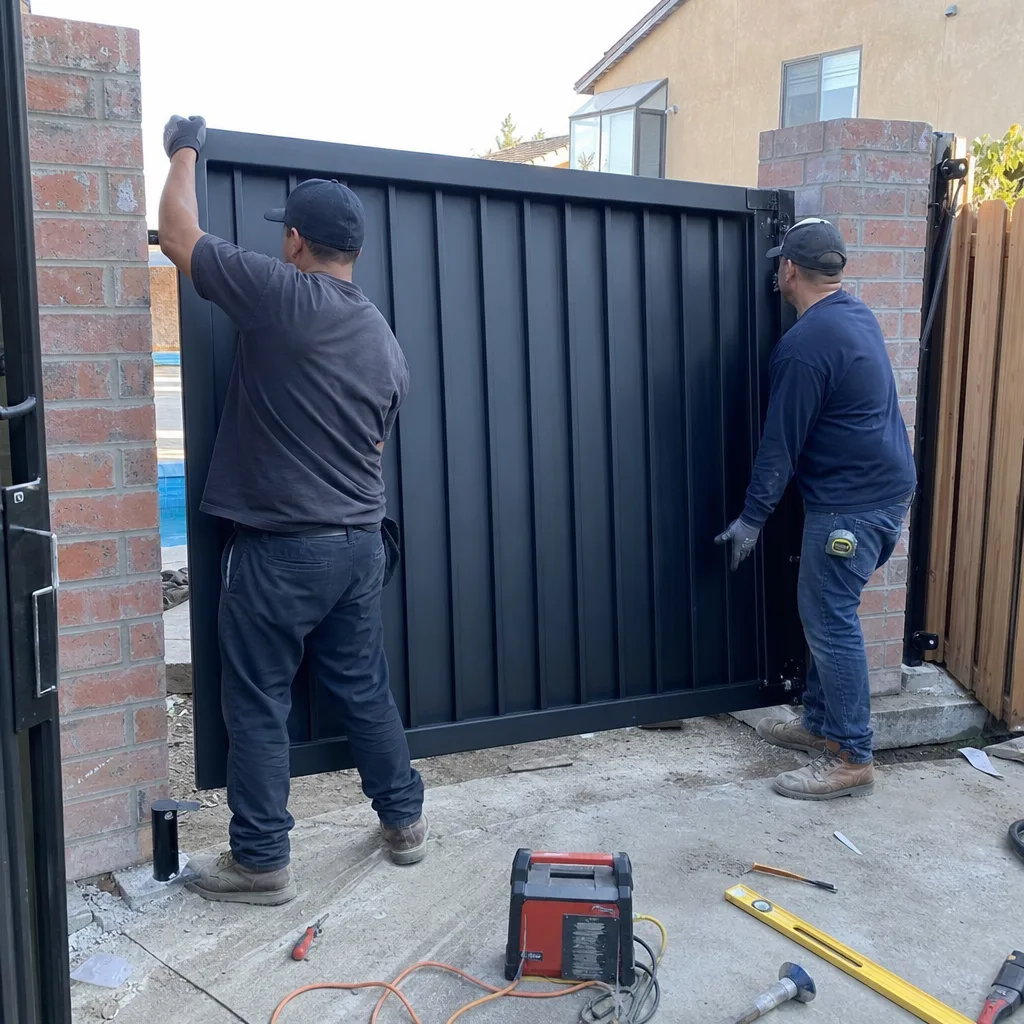
You do not need special software. A spiral notebook, a camera phone, and six months of discipline will do more for your gate than any app. Here is the structure of a useful maintenance log entry. This is the exact information we would want to see when called to a gate that is misbehaving.
Maintenance Log Entry Template
- Date and time: record the actual date. Seasonal context matters in San Fernando’s heat cycle.
- Who performed the work: homeowner or technician name.
- Open-cycle time: in seconds, from motor start to full open stop.
- Close-cycle time: in seconds, from motor start to full close stop.
- Reverse-force test result: pass or fail, measured in inches of travel before reversal.
- Battery voltage under load (if applicable): the voltage reading taken during a cycle, not at rest.
- Photo-eye condition and alignment: clean or dirty, aligned or misaligned, which indicator light is blinking.
- Component condition observations: rust, wear, noise, chain tension, roller play, weld cracks.
- Parts replaced, adjusted, or lubricated: with part numbers and brands where possible.
- Next-service trigger: a note like “if close time exceeds 18 seconds by October, call for motor diagnostics” or “replace backup battery by April 2026.”
That last field is the one that transforms a record from a diary into a management tool. The next-service trigger is a decision you make now about the threshold that should prompt action later. It removes the ambiguity that causes homeowners to ignore slow decline until something actually breaks.
Common Mistakes to Avoid
- Lubricating without a target: spraying lubricant on everything that moves is not maintenance. Some components, like plastic gear drives, should not be greased at all. Excess lubricant attracts San Fernando’s dust and creates a grinding paste inside the mechanism. Know what you are lubricating and why.
- Ignoring the photo-eye until the gate stops working: most “dead remote” calls turn out to be a photo-eye that has been blinking for weeks. Check the indicator lights monthly. You will catch alignment drift before it becomes a stuck gate.
- Using the wrong test object for reverse-force testing: a flimsy cardboard box will be crushed without triggering the safety reverse, leading you to believe the system failed. Use a solid object that provides resistance, like a 2×4.
- Assuming a slow gate is just old: gates do not slow down with age the way people do. A slower cycle time means added mechanical resistance or motor wear. Both are diagnosable, and both are cheaper to fix before the motor fails entirely.
- Adjusting limit switches by trial and error: each wrong adjustment over-travels the gate, slamming it into the post and stressing the drive train. If you are making repeated limit-switch changes, you are masking another problem.
- Neglecting the backup battery until a power outage exposes it: backup batteries age quietly and fail when needed most. Test under load. A battery that passes a resting voltage test can still collapse the moment it is asked to move a gate.
- Using a pressure washer on gate hardware: San Fernando dust makes washing seem sensible, but high-pressure water forces grit into bearings, connectors, and motor housings. Use a damp cloth for cleaning, never a pressure washer.
When to Call a Professional
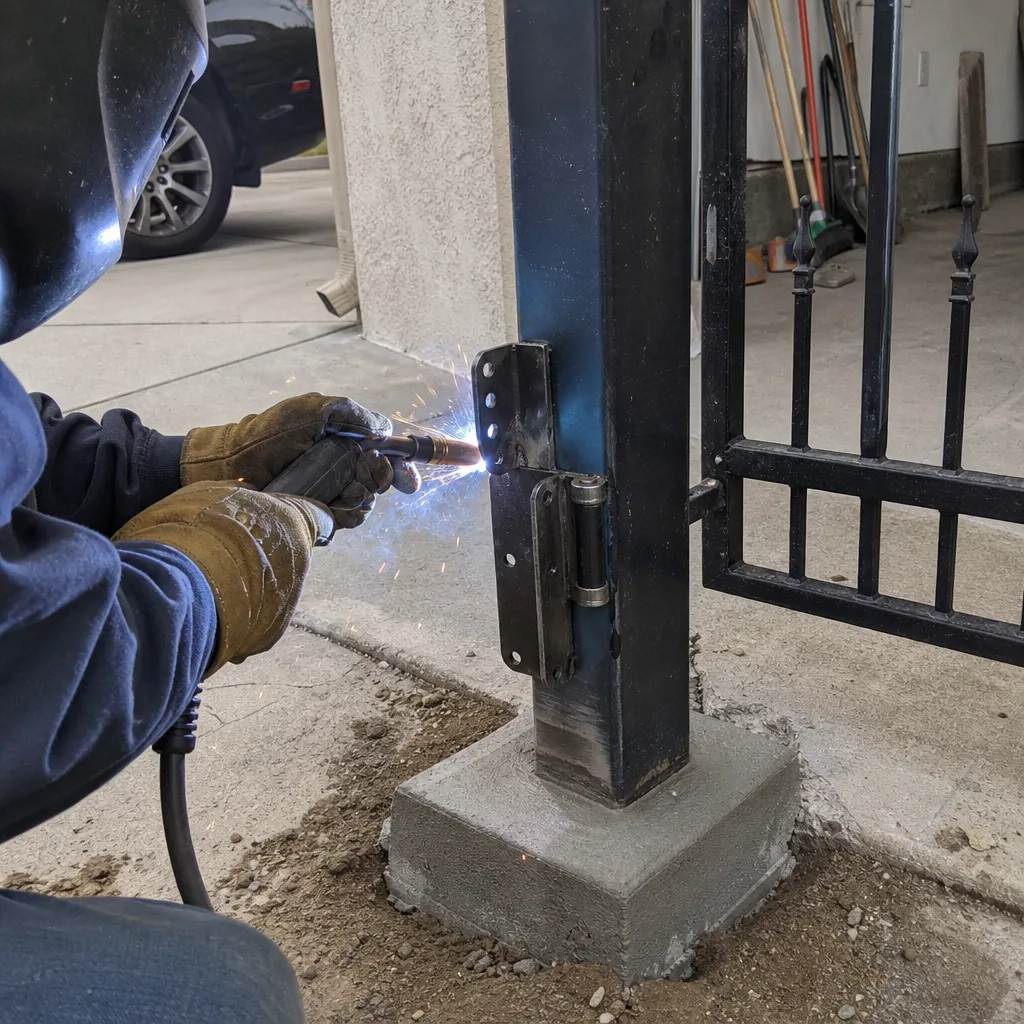
Call a professional when the gate reverses unpredictably, when the motor runs but the gate does not move, when you hear grinding or popping sounds, when there is visible cracking at welds, or when the reverse-force test fails. These are not maintenance issues. They are repair indicators. A gate that does not reverse reliably is a safety hazard, not an inconvenience. In San Fernando, Gate Repair in San Fernando includes free estimates with written pricing before any work starts. Call (747) 260-0589 and we will send a technician with a name and photo provided before arrival. If you are considering replacing a gate that has reached the end of its service life, ask about Gate Installation in San Fernando options and get a written scope before you commit.
Frequently Asked Questions
Twice a year is the right interval for this climate: once in October after summer heat has done its worst, and once in April before it starts again. Monthly, you should test the reverse function and check photo-eye indicator lights, because those are safety items that fail silently. If you have mature landscaping pushing against the gate, add a quarterly visual sweep for plant interference. Every six months, run through the full checklist and record your baseline readings in the log. Call (747) 260-0589 if any reading falls outside the threshold you set in your next-service trigger.
The most common problem we see in San Fernando is heat-related control board failure causing intermittent operation, followed closely by photo-eye misalignment from dust and wind. A gate that works fine in the morning but refuses to respond in the afternoon heat is often a board that is failing under thermal load. A gate that closes halfway and reverses is often a dirty or misaligned photo-eye. Both problems are diagnosable with the right test equipment. Estimates are free, and the written price is provided before any work begins.
Most residential gate repairs in San Fernando fall between $150 and $800 depending on the component involved. A photo-eye replacement is typically at the low end, while a swing-gate motor replacement or a control board replacement on a major brand like DoorKing or Elite lands at the high end, and structural welding can exceed it. The number that matters is the one on your written estimate before any work starts. We charge a flat price, agreed in writing, so there is no surprise invoice at the end of the job.
Yes, for the owner-serviceable tasks: cleaning photo-eye lenses, visually inspecting hinges and rollers, testing the reverse function, checking for rust, and listening for changes in the gate’s sound. You should not attempt limit-switch adjustments, control board work, chain tensioning, or any task involving high-tension springs. Springs in particular are dangerous when mishandled, and we recommend leaving any spring work to a trained technician with the proper de-tensioning tools. See the full breakdown in the “Owner-Serviceable” and “Technician-Required” sections above.
We service nine major gate-automation brands: LiftMaster, FAAC, BFT, Linear, Viking, Ghost Controls, DoorKing, Elite, and Mighty Mule. That means the technician works on whatever motor is already on your property rather than steering you toward a replacement when a repair will do. Ghost Controls and Mighty Mule are common on residential estate gates in the San Fernando Valley, while DoorKing and Elite appear on larger sliding gates. A free estimate covers the diagnosis regardless of brand.
Because a written record with baseline readings lets you detect change before failure, and it saves you money on future service calls. When a technician arrives to a gate with a several-year service history, including part numbers, readings, and photos, the diagnosis is faster and the “rediscovery fee” disappears. A record also helps if you sell the home; the new owner inherits a documented asset instead of a mystery. Every visit we perform in San Fernando includes a documented photo record as part of the service, so the record is maintained automatically when we are involved.
The Bottom Line
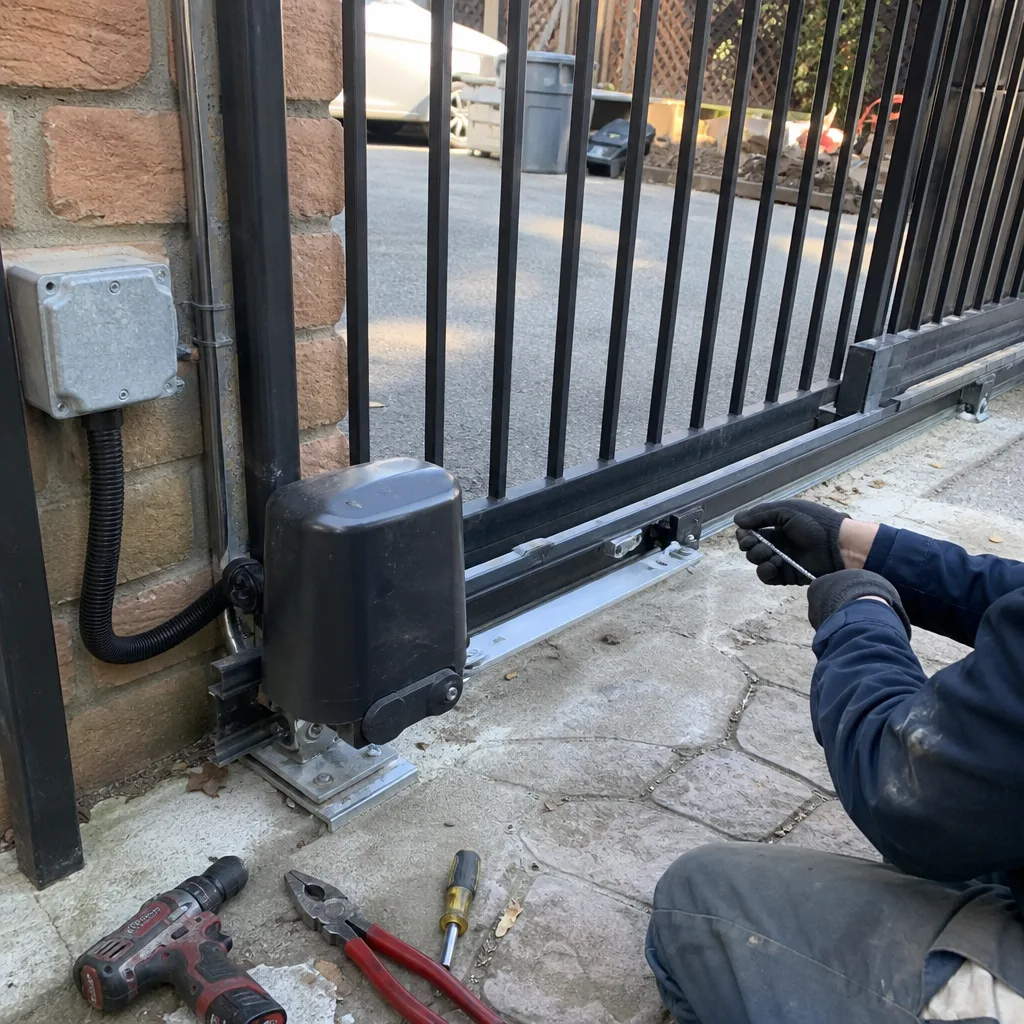
A maintenance checklist is only as good as the data behind it. San Fernando homeowners need a twice-yearly routine built on baseline readings: cycle times, reverse-force results, battery voltage, and photo-eye condition. Record the numbers, photograph the components, and set a next-service trigger that tells you when to act. Owner-serviceable tasks cover cleaning, visual inspection, and safety testing. Technician-required work covers anything involving limit switches, springs, control boards, chain tension, or welding. Do not skip the reverse-force test, do not pressure-wash your gate, and do not ignore a slowing cycle time. Your gate is a machine with a measurable condition. Start measuring it now.
Written by Adrian Vance, Owner at Vance Gate Repair San Fernando, serving San Fernando since 2014.